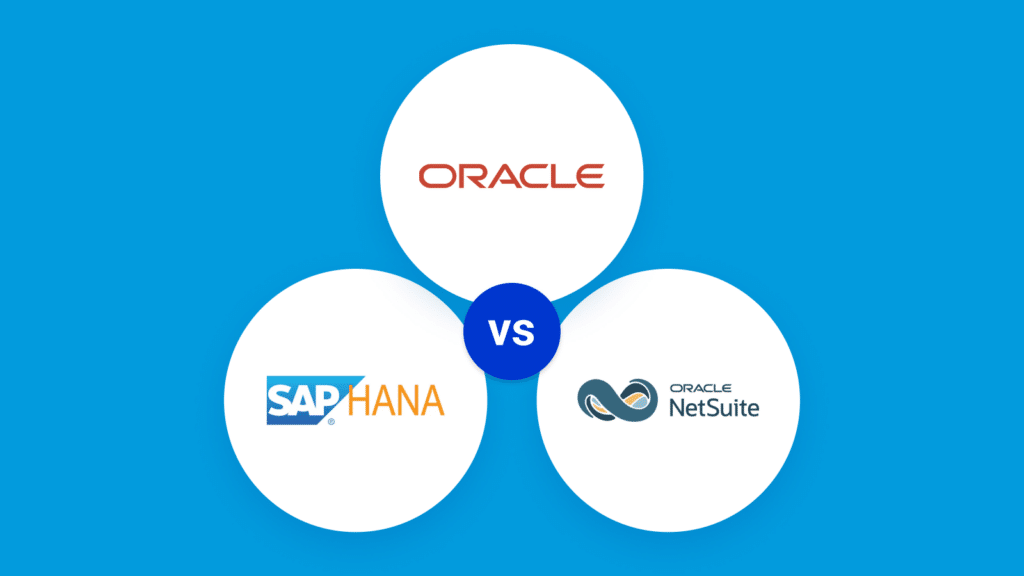
dunia-drakor.biz.id – Navigating a comprehensive ERP solutions comparison has become a critical strategic exercise for global organizations aiming to modernize their digital infrastructure in 2026. As business environments grow increasingly complex, the choice between legacy giants like SAP and Oracle, or the cloud-native agility of NetSuite, determines a company’s ability to respond to market shifts. I understand that for a Chief Information Officer (CIO), selecting an Enterprise Resource Planning system is not just a software purchase; it is a long-term commitment to a specific operational philosophy. This article deconstructs the strengths and architectural differences of these three titans to provide a clear roadmap for your enterprise’s digital transformation journey.
The current enterprise software market favors platforms that offer deep AI-driven automation and real-time data visibility across global supply chains. I believe that the “Big Three” have each carved out a specific niche, catering to different organizational sizes and industry requirements. While SAP S/4HANA remains the gold standard for massive manufacturing conglomerates, Oracle Cloud ERP offers unparalleled financial depth, and NetSuite provides the scalability required by fast-growing mid-market companies. By analyzing their core functionalities through the lens of Expertise and Trustworthiness, we can identify which platform best aligns with your specific corporate goals and technical capabilities.
The Architectural Dominance of SAP S/4HANA for Global Manufacturers
When discussing SAP S/4HANA features, we are looking at the most robust solution for managing high-volume, complex manufacturing and supply chain operations. SAP built its reputation on “best-practice” processes that enforce strict operational discipline across thousands of global sites. I find that the transition to S/4HANA has introduced powerful in-memory computing, allowing enterprises to process massive datasets in real-time for instant financial closing and predictive maintenance. For organizations with deep roots in industrial production, SAP provides a level of granular control over the “shop floor to top floor” workflow that remains unmatched by its competitors.
Furthermore, SAP ERP for large enterprises excels in handling multi-national compliance and intricate intercompany transactions. The platform’s ability to manage diverse tax laws and regulatory requirements across hundreds of jurisdictions makes it the preferred choice for the Fortune 500. I recognize that the implementation of SAP is often a massive undertaking requiring specialized consultants and significant time. However, the result is a unified “single source of truth” that scales with the most demanding global operations. If your business requires a rigid, highly structured environment to manage global physical assets, SAP continues to lead the market in Authoritativeness and reliability.
Oracle Cloud ERP: Advanced Financials and Predictive Analytics
An Oracle Cloud ERP review typically highlights the platform’s superior financial management capabilities and its seamless integration with advanced Oracle EPM (Enterprise Performance Management) tools. Oracle has successfully transitioned its vast database expertise into a cloud-native ERP that prioritizes data-driven decision-making through AI-powered insights. I believe that Oracle is the ideal choice for service-based industries or financial institutions that require sophisticated multi-ledger accounting and real-time revenue recognition. Its modular architecture allows companies to implement specific financial modules first, providing a more flexible path to full-scale digital transformation than traditional monolithic systems.
Moreover, the Oracle vs SAP comparison often boils down to the “Best-of-Breed” vs “Integrated Suite” argument. Oracle offers a highly flexible cloud environment that integrates easily with third-party applications through a robust API framework. I find that finance teams especially appreciate Oracle’s predictive analytics, which can forecast cash flow and market trends with incredible accuracy. By utilizing machine learning to automate repetitive accounting tasks, Oracle enables financial leaders to move from “bookkeepers” to “strategic advisors.” This focus on financial intelligence makes it a formidable contender for any organization that prioritizes fiscal agility and analytical depth in their ERP solutions comparison.
NetSuite: The Gold Standard for Scalable Cloud-Native Agility
For mid-market companies and rapidly expanding startups, NetSuite ERP benefits offer a unique combination of comprehensive features and rapid deployment. As the world’s first cloud-native ERP, NetSuite was built specifically for the internet age, avoiding the “clunky” legacy code often found in older systems. I find that NetSuite is particularly effective for e-commerce and software-as-a-service (SaaS) companies that need to manage high-growth trajectories without the massive IT overhead of an on-premise solution. Its “OneWorld” module allows for easy consolidation of global subsidiaries, providing a real-time view of international operations at a fraction of the cost of its larger rivals.
Furthermore, the NetSuite vs Oracle NetSuite distinction is important to understand; as an Oracle-owned company, NetSuite benefits from Oracle’s massive R&D budget while maintaining its independent, agile identity. I recognize that NetSuite’s greatest strength is its SuiteSuccess implementation methodology, which allows companies to go live in months rather than years. This speed-to-market is vital for firms that are outgrowing basic accounting software like QuickBooks and need a professional-grade ERP to support their expansion. I believe that for organizations prioritizing flexibility and ease of use, NetSuite provides the most balanced approach to modern business management in a digital-first world.
Total Cost of Ownership (TCO) and Implementation Complexity
Evaluating the ERP implementation cost is often the most daunting part of the selection process for any executive team. SAP generally carries the highest Total Cost of Ownership (TCO), driven by its complexity and the need for specialized internal staff. Oracle sits in the middle, offering a more modular pricing structure that can scale with your usage. NetSuite is typically the most cost-effective for the mid-market, utilizing a per-user, per-module subscription model that eliminates the need for expensive hardware maintenance. I believe that calculating ROI must include the “hidden” costs of training, data migration, and long-term system support to get a true picture of the investment.
Moreover, the implementation timeline varies significantly between these platforms. While a NetSuite deployment might take four to eight months, a global SAP rollout can easily span several years. I find that the “failure rate” of ERP projects is often tied to unrealistic expectations regarding these timelines and the internal change management required. Choosing a partner with proven Expertise in your specific industry is just as important as the software itself. By understanding the logistical demands of each platform, your organization can select a system that matches its internal capacity to manage change, ensuring that the ERP solutions comparison leads to a successful and productive digital transition.
Security, Compliance, and the Future of AI in ERP
In 2026, ERP security and compliance have become the paramount concerns for enterprises facing increasing cyber threats and stricter data privacy laws like GDPR and CCPA. All three vendors—Oracle, SAP, and NetSuite—invest billions into their cloud security infrastructure, providing a level of protection that most individual companies could never achieve on their own. I find that the move to the cloud has actually enhanced Trustworthiness, as these vendors provide automatic security patches and continuous monitoring. Choosing a top-tier ERP means your business data is housed in some of the most secure data centers on the planet, guarded by elite cybersecurity teams.
Finally, the future of ERP software is inextricably linked to the evolution of Generative AI and automated process mining. We are moving toward “Autonomous ERP” systems that can self-correct data entry errors, automatically negotiate with suppliers, and provide natural-language answers to complex business questions. I believe that Oracle, SAP, and NetSuite are currently in an arms race to see who can integrate these AI capabilities most effectively into their core platforms. By selecting one of these industry leaders today, you are future-proofing your business and ensuring that your enterprise remains at the cutting edge of digital innovation and operational excellence for the next decade.